- /
Home Trends to Watch in 2026: What Buyers, Sellers & Investors Should Know
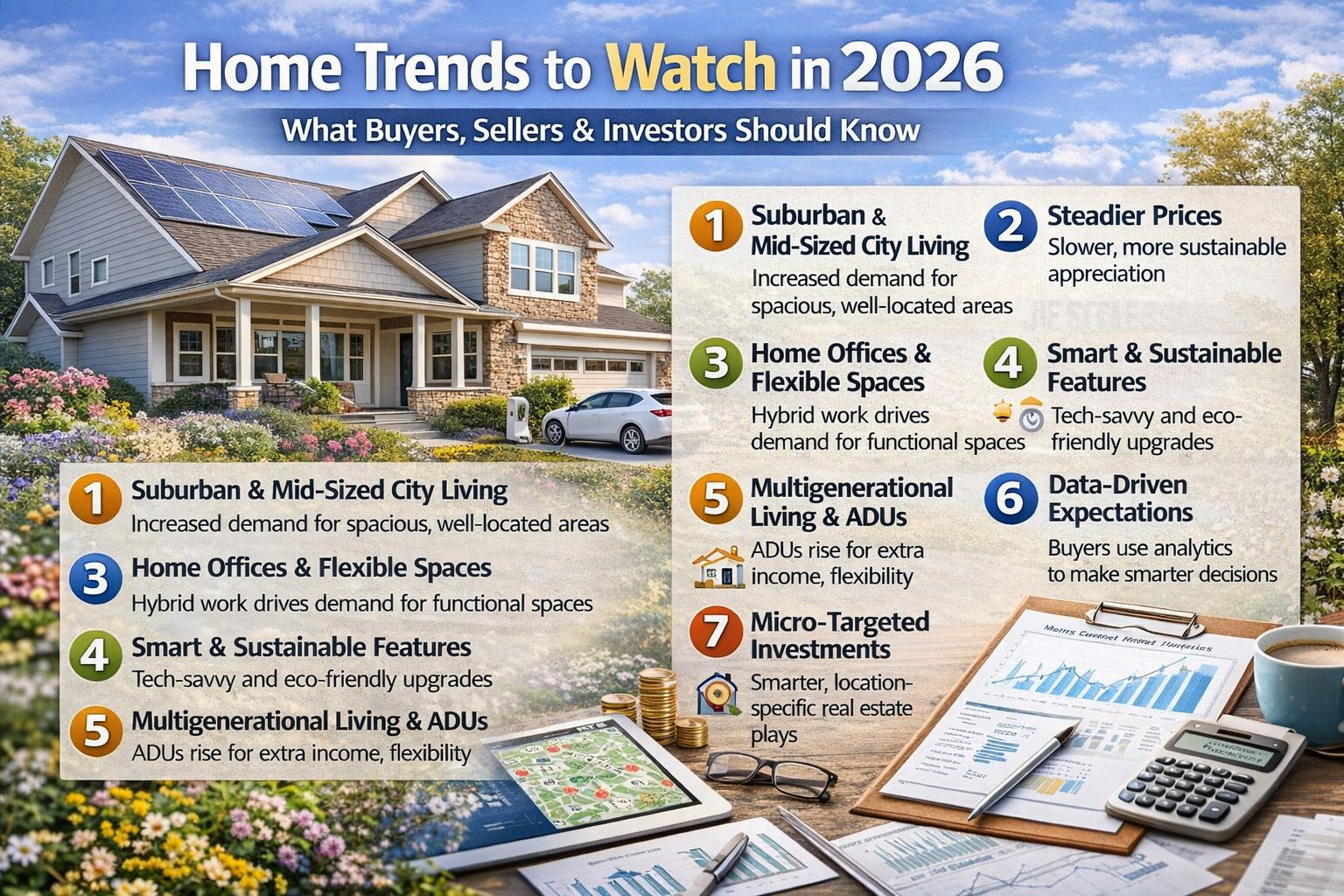
As we move into 2026, the housing market continues to evolve in ways that reflect shifting lifestyle priorities, economic influences, and long-term demographic changes. Whether you’re buying your first home, planning a move, considering an investment property, or prepping to sell, understanding the key trends shaping 2026 will help you make smarter decisions.
Let’s explore the top home trends to watch this year.
1. Sustained Demand for Suburban & Mid-Sized City Living
The post-pandemic migration to suburbs hasn’t reversed. Instead, buyers are increasingly valuing:
-
Larger living spaces
-
Shorter commutes
-
Access to quality schools and parks
-
Communities that balance urban amenities with neighborhood comfort
These preferences have boosted demand not only in traditional suburbs but also in mid-sized cities with strong job growth, affordable pricing, and walkable cores.
2. Steadier Prices & Slower Appreciation
After the frenetic price surges of the early 2020s, many markets have entered a more sustainable growth phase:
-
Year-over-year price increases but at moderated rates
-
Fewer bidding war extremes
-
More predictable valuation trends
For buyers, this means less pricing volatility and a clearer investment horizon. For sellers, it encourages strategic pricing and property upgrades that differentiate listings.

3. Home Offices & Flexible Living Spaces Are Standard, Not Optional
Hybrid work is here to stay. As a result, homes with:
-
Dedicated office rooms
-
Convertible flex spaces
-
Quiet zones with natural light
are commanding premium attention.
In fact, many buyers list a functional workspace as high as the number of bedrooms or square footage when evaluating properties.
4. Smart & Sustainable Features Continue to Outperform
Eco-friendly and tech-savvy homes are no longer niche — they’re mainstream.
Top features that buyers increasingly care about:
-
Energy-efficient HVAC systems and insulation
-
Solar panels and EV charging stations
-
Smart thermostats and integrated home automation
-
Water-conserving landscaping
These features not only reduce utility costs but also enhance resale value as sustainability becomes a priority for more buyers.
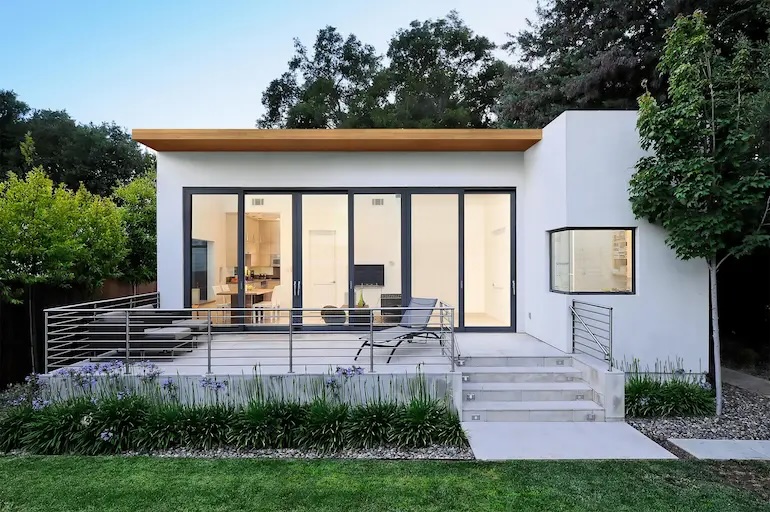
5. Multigenerational & Accessory Dwelling Units (ADUs) Growing
Families are embracing flexible living arrangements:
-
Parents moving in longer-term
-
Adult children staying at home during economic buildup
-
Homeowners using ADUs for rental income or guest space
ADUs, convertible garage units, and granny flats are more than trends — they’re solutions that add utility and equity to properties.
6. Data-Driven Buyer Expectations
Today’s homebuyer is more informed than ever:
-
Market data and trend dashboards guide decisions
-
Online comps and neighborhood analytics inform offers
-
Mortgage and affordability calculators influence timing
Real estate professionals who integrate data into consultations aren’t just helpful — they’re expected.
7. Investment Markets are Becoming More Micro-Targeted
Investors in 2026 are moving away from broad metro plays and toward micro-market intel:
-
School quality clusters
-
Transit-oriented developments
-
Job node adjacency
-
Emerging rental demand corridors
The result? More nuanced strategies and stronger long-term returns.
8. Design Trends That Reflect Home Use, Not Just Aesthetic
Interior trends aren’t just about looks — they’re about function:
-
Open + flexible floor plans
-
Durable finishes for high-traffic spaces
-
Wellness-focused lighting and air quality
-
Multifunctional kitchens and storage
Homes that adapt to daily life — not just look good on listing photos — are becoming the gold standard.

What This Means for You
Buyers should prioritize properties that support lifestyle flexibility, sustainability, and long-term value.
Sellers will benefit from highlighting tech and eco-friendly upgrades, functional spaces, and neighborhood perks.
Investors need to refine focus to micro-markets with growth fundamentals.
Final Takeaway
The real estate trends in 2026 are less about hype and more about practical value. Buyers and sellers who understand these shifts — and work with professionals who interpret them — will make smarter decisions in a market that rewards preparedness, insight, and strategic action.
Let’s talk about how these trends impact your next move.
Recent Posts